

23
Sep 26
Sugandha Rice Exporters in India
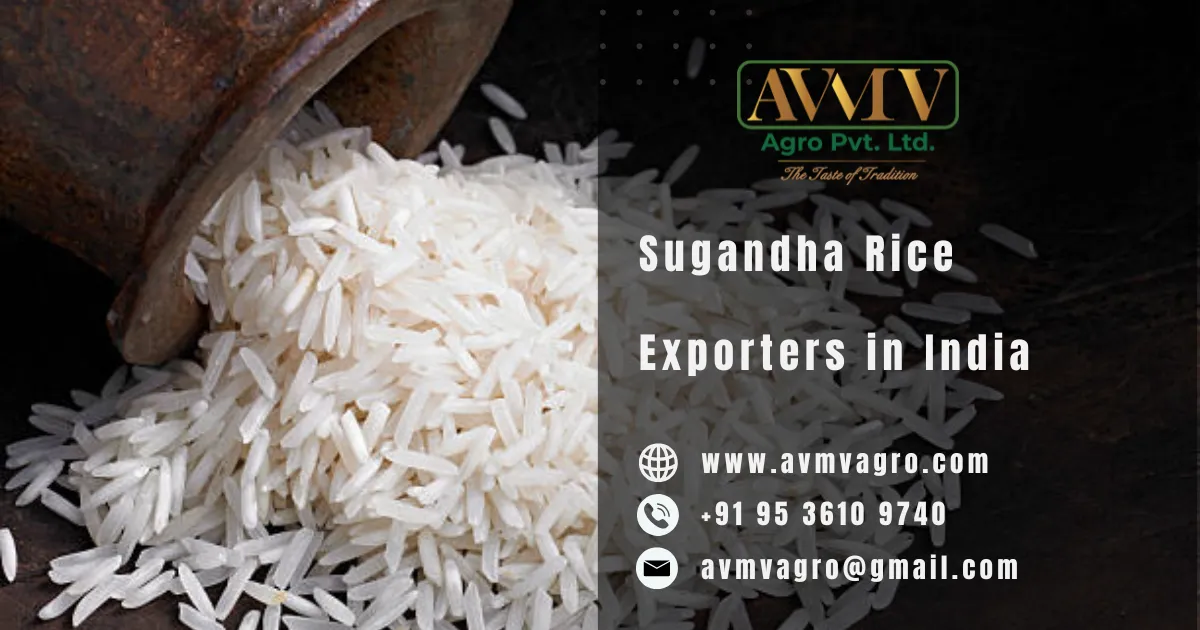
Sugandha rice occupies an odd spot in the Indian export market. It smells like basmati, cooks reasonably close to basmati, and costs a fair bit less — which is exactly why some buyers get burnt when a supplier blurs the line between the two. If you're working with Sugandha Rice exporters in India, knowing where this variety actually sits in the market saves you from labelling disputes and disappointed end customers.
AVMV Agro Private Limited deals with buyers asking these questions regularly, so this article covers what's worth checking before an order goes ahead.
What Sugandha Rice Actually Is
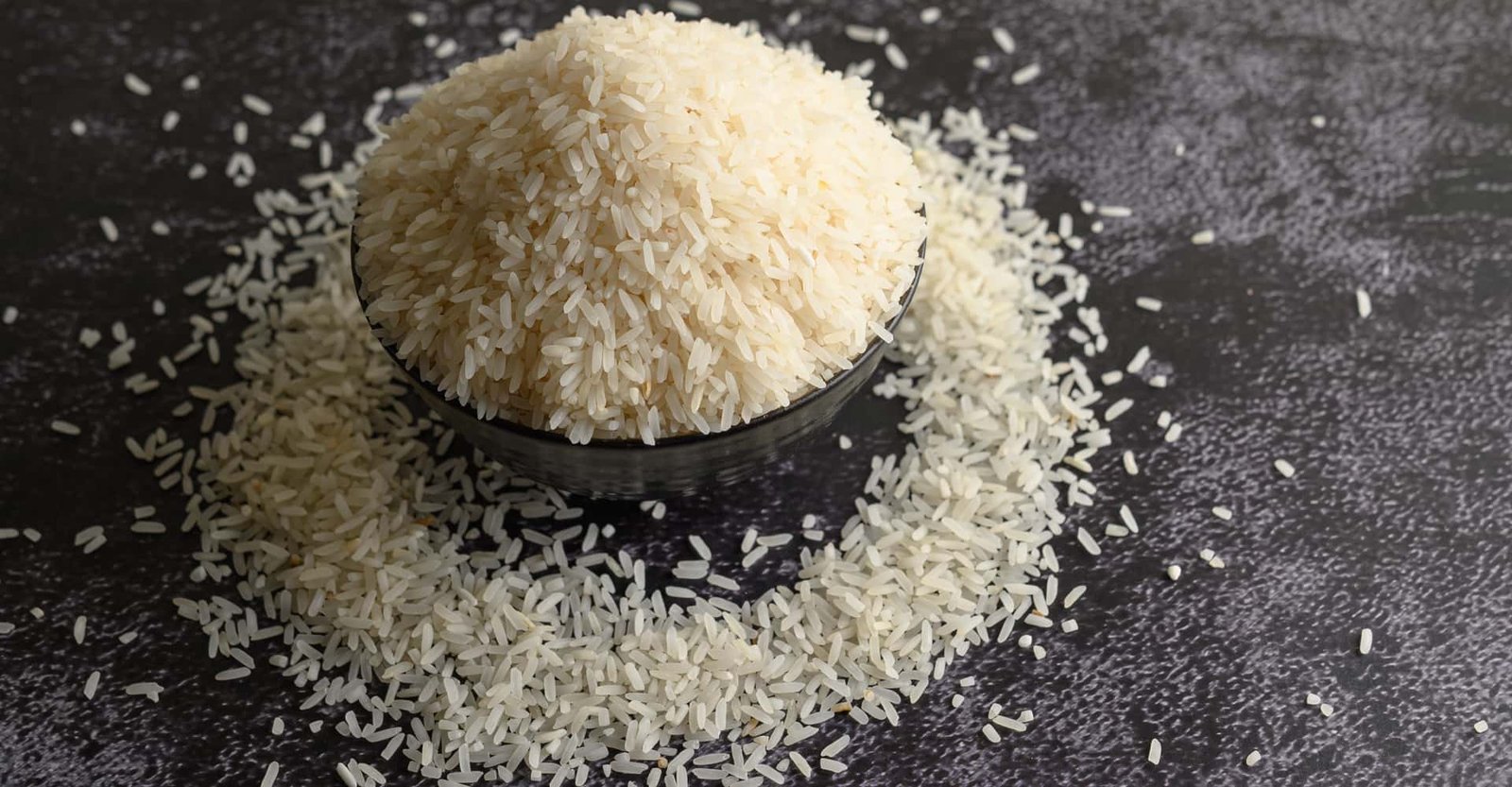
Sugandha is an aromatic long-grain rice, bred to sit between basmati and ordinary non-basmati varieties. It carries a noticeable fragrance and a grain length that's respectable, though shorter than true basmati strains like 1121 or Pusa. Under Indian export regulations, Sugandha does not qualify as basmati rice, and that distinction matters more than most buyers realise until they hit a labelling issue at customs.
Why the Basmati Distinction Matters for Buyers
If you're re-selling into a market with strict food-labelling laws — the EU and UK both apply geographical indication protections to basmati — selling Sugandha under a basmati label is a compliance risk, not just a marketing choice. A supplier who's vague about this distinction, or actively encourages you to blur it, is not someone you want holding your contract.
Choosing Among Sugandha Rice Exporters in India
Grain Specification and Aroma Consistency
Aroma in Sugandha rice fades faster than people expect, particularly if storage conditions aren't controlled. Ask exporters how long stock has sat since milling, and request a cooked sample rather than judging raw grain by smell alone. Grain length, broken percentage, and moisture content should all appear on a specification sheet — if an exporter can't produce one without hesitation, that's worth noting.
Pricing Against Basmati Alternatives
Sugandha typically trades at a meaningful discount to basmati, which is the whole appeal for cost-conscious buyers. But price gaps that look too good tend to come with a catch — often admixture with lower-grade non-basmati rice to pad out volume. A same-day quote with no sample offered first is a reasonable flag to pause on.
Export Documentation and Certifications
The basics don't change across rice categories: FSSAI registration, an IEC code, and APEDA registration where applicable. For Sugandha specifically, ask whether the exporter can supply a certificate confirming the variety and grain type, since some destination markets now request this given the past confusion between Sugandha and basmati shipments.
Sona Masoori Raw Rice Manufacturer in India: A Common Companion Order
A fair number of buyers sourcing Sugandha also place orders for medium-grain rice suited to South Indian or East African markets. This is where a Sona Masoori Raw Rice manufacturer in India comes in — Sona Masoori is sold raw rather than parboiled, has a lighter texture than basmati or Sugandha, and tends to move well in markets with established South Indian communities. Buyers working across both categories often prefer a single supplier who can handle the paperwork for two rice types in one container rather than coordinating separate shipments.
Storage and Freshness Considerations
Because Sona Masoori is typically sold raw and unaged, freshness matters more here than with parboiled varieties. Ask about warehouse turnover and whether stock is rotated on a first-in, first-out basis. Pest control records are also worth a glance, particularly for longer sea routes.
1121 Sella Basmati Rice Exporter in India: The Genuine Basmati Alternative
For buyers who want the real thing rather than an aromatic substitute, working with a 1121 Sella Basmati Rice exporter in India is the more straightforward route. Sella (parboiled) basmati holds its shape well in biryani-style cooking and has a longer shelf life than raw basmati, which suits buyers managing longer transit times. Unlike Sugandha, 1121 Sella carries genuine basmati export status, so labelling and compliance concerns largely disappear.
Traditional Basmati Rice Exporter in India: Where This Fits for Premium Buyers
Some buyers, particularly those supplying restaurants or premium retail, skip the aromatic-alternative route altogether and go straight to a Traditional Basmati Rice exporter in India. Traditional basmati varieties — grown mainly in Punjab, Haryana, and parts of Uttarakhand — carry the longest grain lengths and the most pronounced aging characteristics, since basmati is typically aged for a year or more before milling to develop its full aroma and cooking properties. It costs more than Sugandha or even 1121, but for buyers whose customers can tell the difference, that cost is usually justified.
What to Ask Before Signing With Any Exporter
A short list covers most of what matters: request a cooked sample, not just raw grain photos. Confirm moisture content and check it independently if the order size justifies it. Ask directly whether the rice is basmati, Sugandha, or a blend, and get that answer in writing. Finally, check turnaround time on documentation — a supplier who's slow with a phytosanitary certificate before the sale is unlikely to speed up after payment clears.
Conclusion
Sugandha rice fills a real gap in the market — aromatic, affordable, and genuinely useful for buyers who don't need full basmati pricing. The risk isn't the rice itself, it's suppliers who let the line between Sugandha and basmati go fuzzy when it suits them. A bit of upfront verification, a proper sample, and clear documentation solve most of that before it becomes a problem.
FAQs
Is Sugandha rice the same as basmati rice?
No. Sugandha is an aromatic long-grain variety but doesn't meet the legal definition of basmati under Indian export regulations, so it shouldn't be labelled or sold as such.
Why do Sugandha Rice exporters in India price it lower than basmati?
Sugandha has a shorter grain length and a less pronounced aging process than basmati, which keeps production costs and pricing lower while still delivering a comparable aroma.
Can I order Sugandha rice and Sona Masoori rice in the same shipment?
Yes, provided the exporter handles both categories. It's common practice for buyers supplying multiple rice types to a single market to consolidate orders this way.
What's the difference between 1121 Sella and Traditional Basmati rice?
1121 Sella is a parboiled, high-yield basmati variety popular for its long grain and affordability, while Traditional Basmati refers to older, aged varieties with a more pronounced aroma and higher price point.