

23
Sep 26
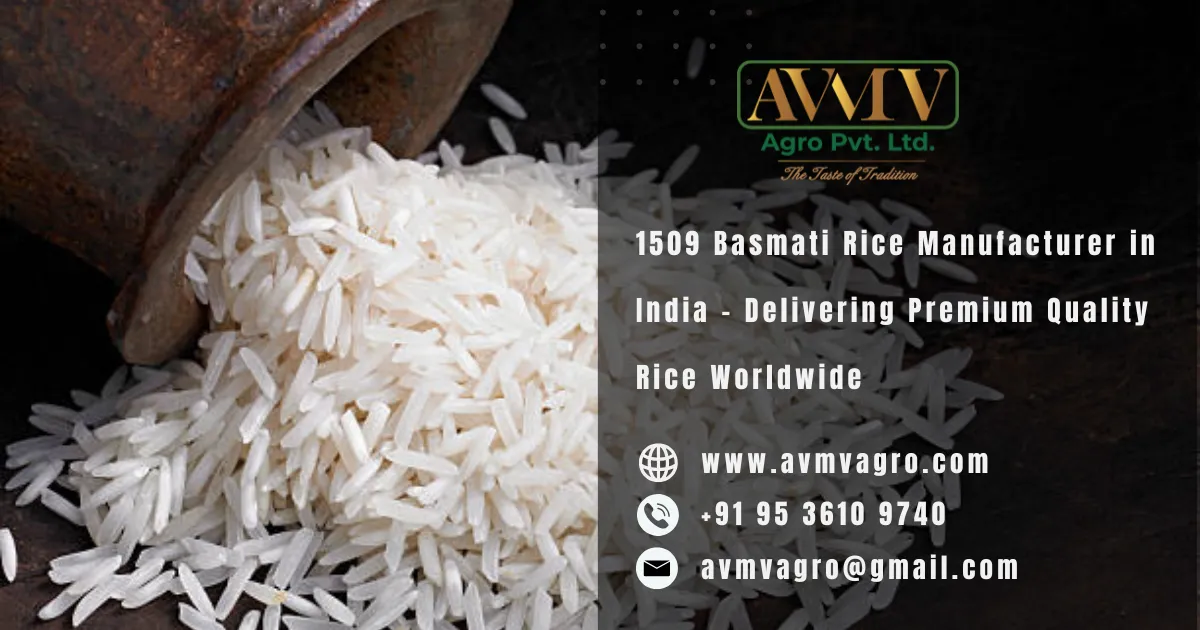
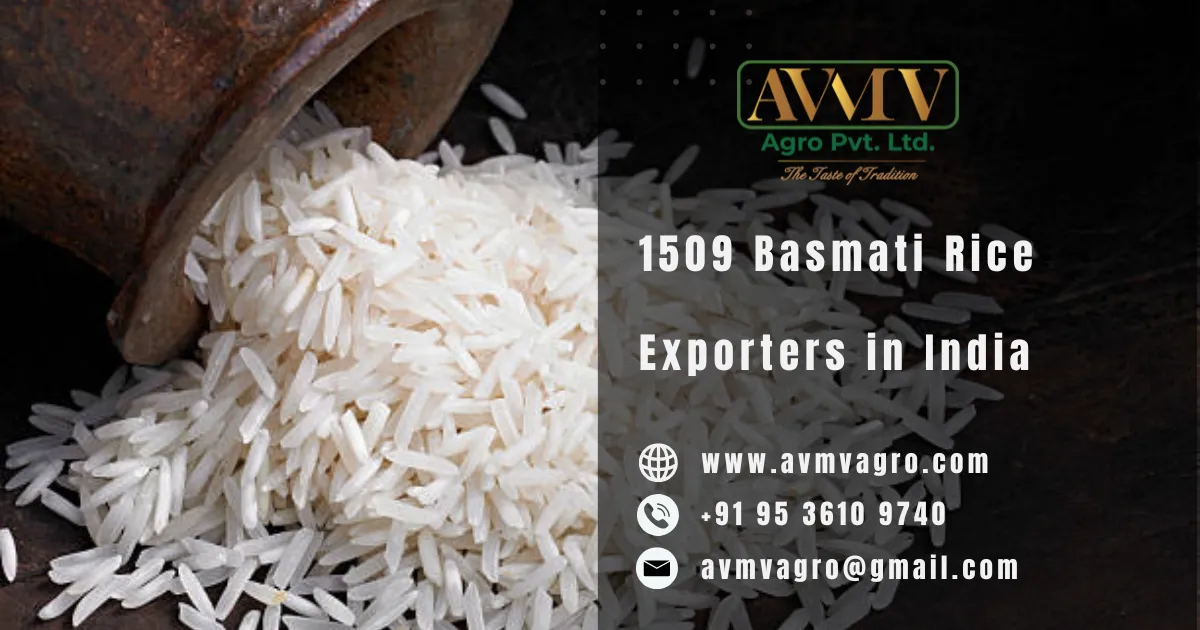
1509 Basmati Rice Exporters in India
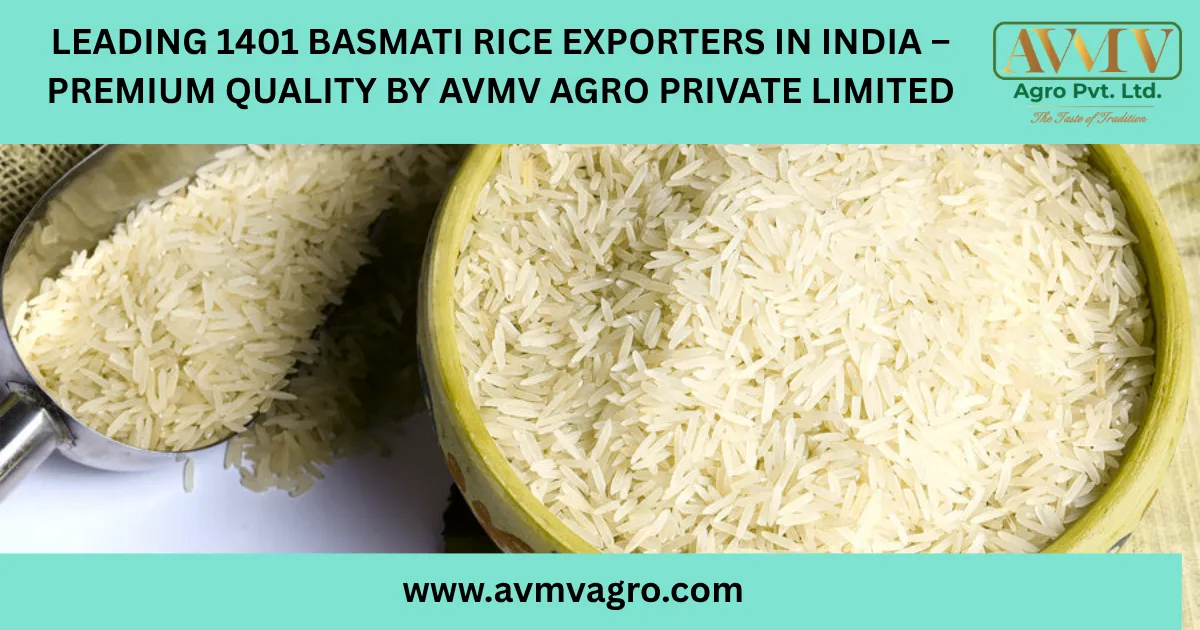
If you've been sourcing rice for export or wholesale, you've probably noticed 1509 Basmati popping up in more buyer enquiries than ever. It's not hype. The variety has earned its place because it delivers the long, slender grain and natural aroma that overseas markets expect, without the higher price tag of traditional Basmati. For anyone comparing 1509 Basmati Rice Exporters in India, understanding what separates a reliable supplier from an average one matters more than chasing the lowest quote.
AVMV AGRO PRIVATE LIMITED works directly with growers and mills to supply this variety to buyers across the Middle East, Europe and beyond, and this guide walks through what makes 1509 worth stocking, how the export process actually works, and what to check before signing a contract.
What Sets 1509 Basmati Apart
1509 is a semi-dwarf, early-maturing Basmati hybrid. It's ready for harvest in roughly 115–120 days, which is noticeably faster than traditional Basmati varieties like Pusa or 1121. That shorter cycle means farmers can often fit in an additional rotation, and it's part of why supply has scaled up so quickly over the past decade.
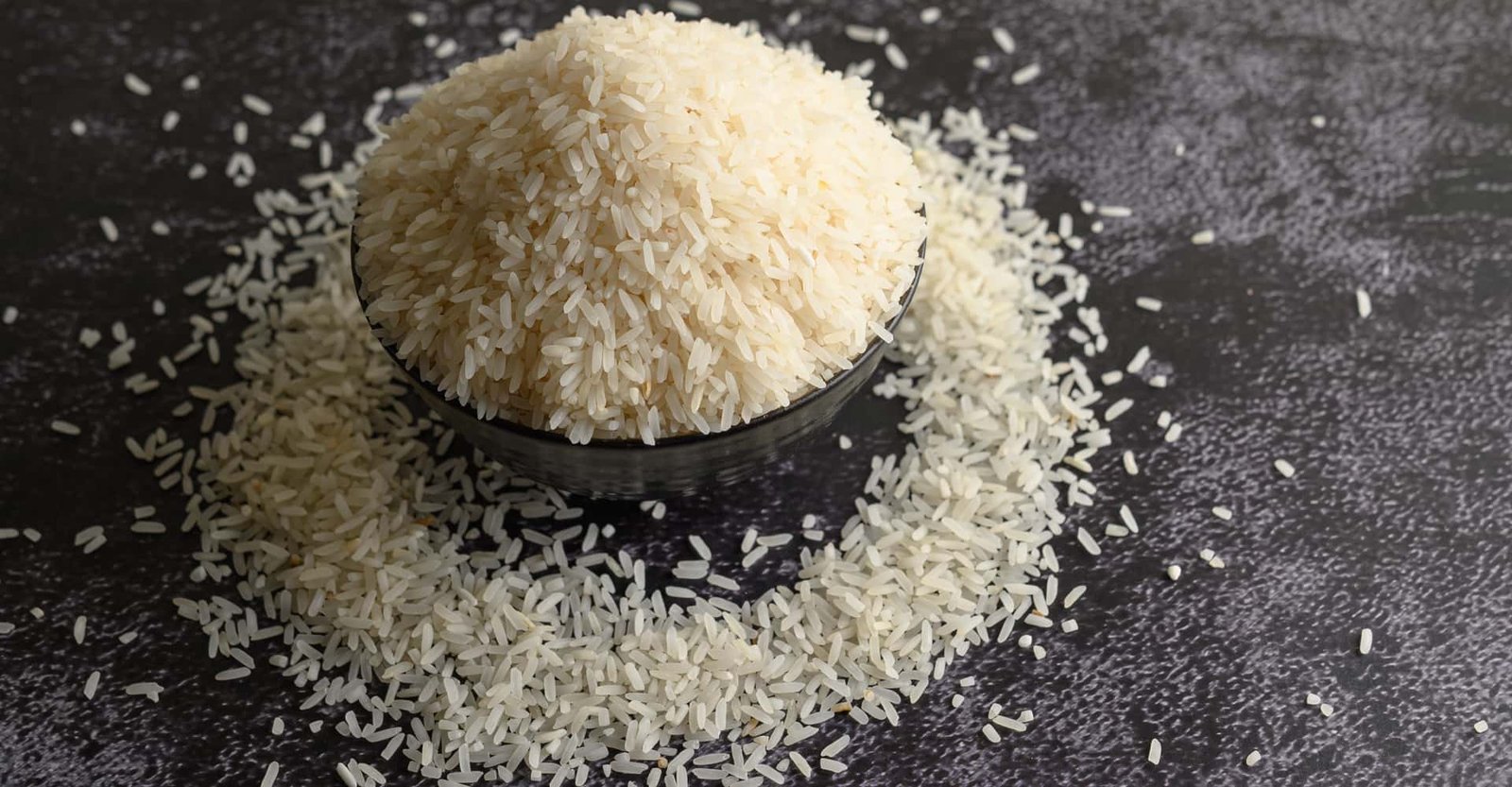
On the plate, it behaves close to full Basmati: grains elongate on cooking, the aroma is present though slightly milder, and the texture stays separate rather than sticky. Buyers who want Basmati character at a mid-range price point tend to land on 1509 first.
Why Indian Exporters Dominate This Category
India grows the bulk of the world's Basmati rice, and the northern belt — Punjab, Haryana, and parts of Uttar Pradesh — has the soil and irrigation conditions the crop needs. That geography is protected too; Basmati grown here carries a Geographical Indication tag, which matters to importers who need traceability documentation for customs.
Regional Sourcing
Most 1509 procurement happens close to Karnal, Taraori, and the surrounding mandis, where mills have built the infrastructure — sortex cleaning, grading, polishing — to process paddy into export-ready rice at volume. Sourcing from established mill clusters rather than scattered small traders tends to mean fewer inconsistencies batch to batch.
Beyond 1509: What Else a Serious Exporter Should Offer
A rice exporter that only handles one variety is a narrower partner than most buyers actually want. AVMV AGRO's catalogue extends across the categories that come up most often in export enquiries:
Sugandha Rice Exporters in India — Sugandha sits in a similar price bracket to 1509 but has its own aroma profile, and buyers often split orders between the two to diversify a shipment.
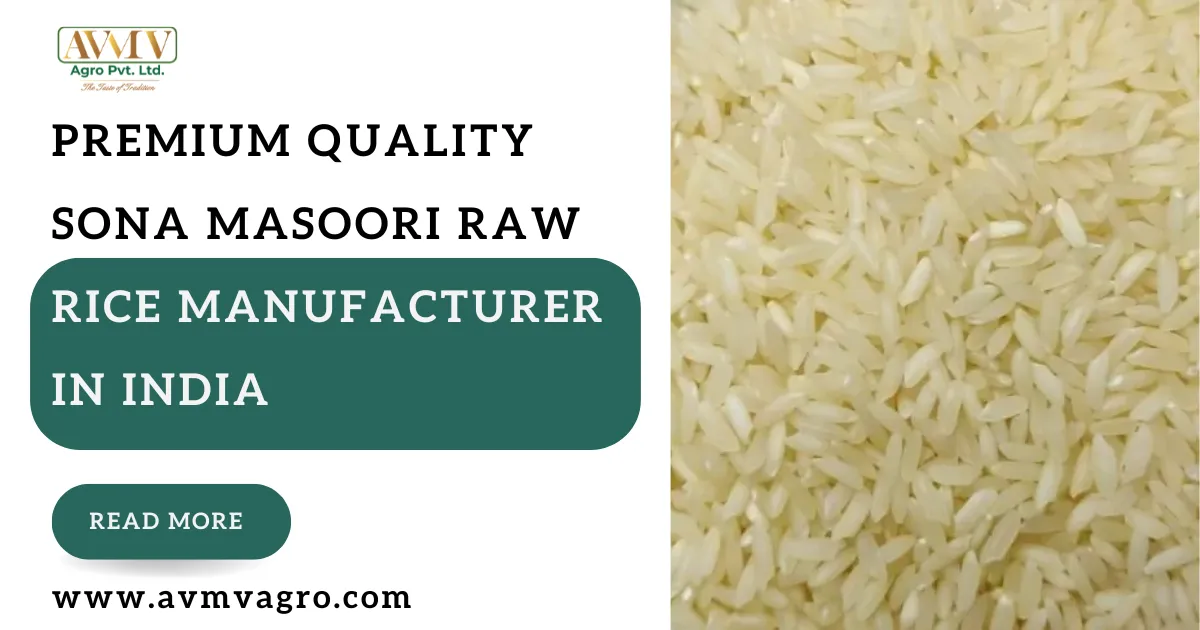
Sona Masoori Raw Rice Manufacturer in India — a different grain shape entirely (short and lightly aromatic), popular in South Indian and diaspora markets where Basmati isn't the expectation.
1121 Sella Basmati Rice Exporter in India — the parboiled version of 1121, favoured in Gulf markets for its firmer texture after cooking and longer shelf stability.
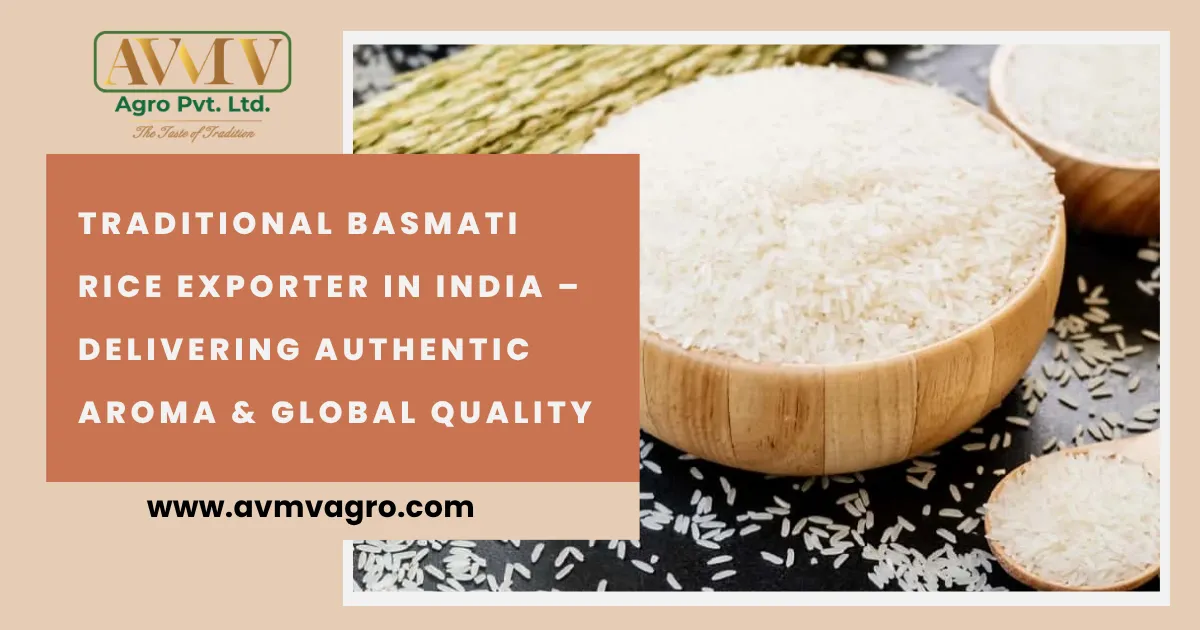
Traditional Basmati Rice Exporter in India — older varieties with the deepest aroma and the longest grain-elongation ratio, still the benchmark for premium retail packs.
Having all of this under one supplier relationship saves buyers from juggling separate contracts, separate inspection schedules, and separate shipping consolidations.
How the Export Process Actually Works
Paddy is procured post-harvest and stored, then milled and passed through multiple stages of cleaning, colour sorting, and grading before it's bagged. Export lots go through phytosanitary certification and, depending on the destination country, additional fumigation or moisture testing. Documentation — certificate of origin, GI certification where applicable, and a Bill of Lading — has to match what the importing country's customs office expects, and mismatches here are one of the most common causes of delayed shipments.
Packaging is usually negotiated per order: PP bags, jute, or vacuum-sealed retail packs depending on whether the buyer is a distributor or a private-label retailer.
Final Thoughts
1509 Basmati has become a genuine middle ground in the export rice trade — close enough to premium Basmati in cooking quality, priced for volume buyers. Whether you're sourcing AVMV AGRO PRIVATE LIMITED specifically or building a wider order across Sugandha, Sona Masoori, 1121 Sella, or traditional Basmati grades, working with an exporter who handles the full range tends to be simpler than piecing together multiple suppliers.
FAQ
Is 1509 Basmati genuine Basmati rice?
Yes. It's registered as a Basmati variety and carries GI protection, though its aroma is generally milder than traditional long-duration varieties.
What's the typical minimum order for export?
This varies by exporter, but container-load orders (roughly 20–27 tonnes) are standard for international shipments; smaller trial orders are often negotiable.
How is quality verified before shipment?
Through sortex grading, moisture testing, and pre-shipment inspection, with samples typically shared for buyer approval before the full order is packed.
Which countries import the most Indian 1509 Basmati?
Gulf countries, along with markets across Europe and parts of Africa, are among the largest buyers of Indian Basmati varieties including 1509.
Can I order a mix of varieties in one shipment?
Most established exporters, including those handling 1509, Sugandha, and 1121 Sella together, can consolidate multiple grades into a single container.