

18
Sep 26
Pusa Basmati Rice Exporters in India: What Buyers Should Know Before They Sign a Contract
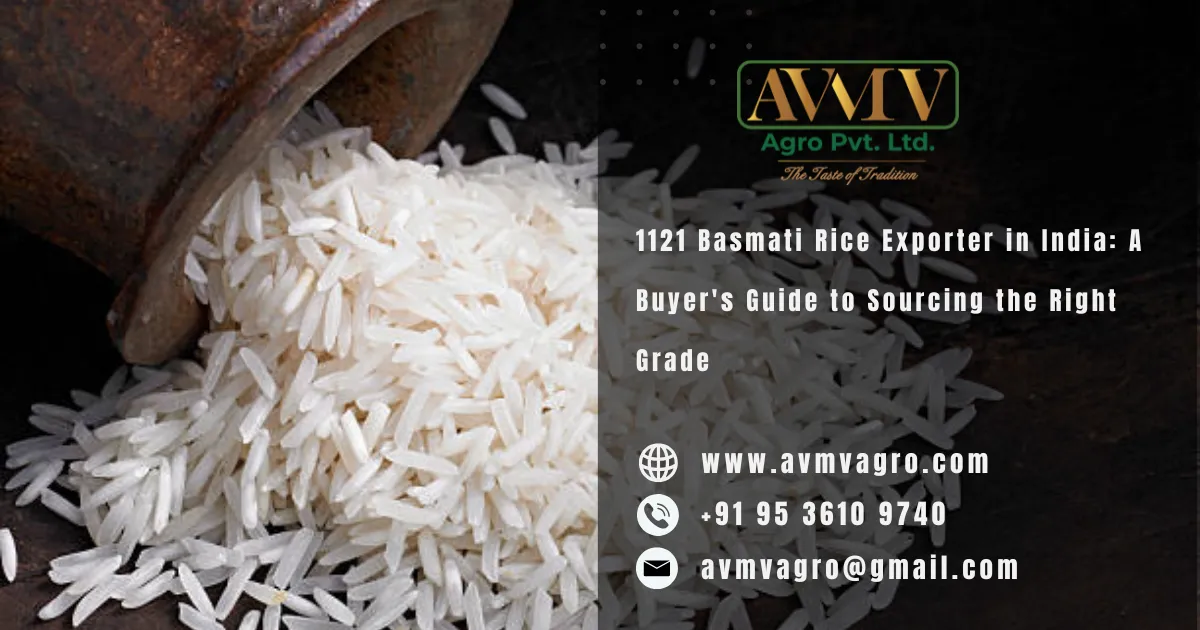
Ask any overseas rice buyer what keeps them up at night, and "getting the grain I actually ordered" is near the top of the list. Basmati is not a commodity you can source blind — the aroma, the grain length, the way it behaves in a pot after cooking, all of it depends on which variety left the mill and how it was handled afterwards. Pusa Basmati sits right in the middle of this conversation, prized for its length and its ageing potential, and it's one of the varieties that separates a serious supplier from someone reselling whatever paddy was cheapest that week.
AVMV AGRO PRIVATE LIMITED works in this space, sourcing, processing and shipping Basmati rice to buyers who need consistency batch after batch. This article walks through what Pusa Basmati actually is, why exporters and manufacturers matter as much as the variety itself, and what to look for when you're vetting a Pusa Basmati Rice Exporters in India partner for the long term.
What Makes Pusa Basmati Different
Pusa Basmati — developed and released through India's agricultural research network — is grown mainly across Punjab, Haryana and parts of western Uttar Pradesh. It's known for its long, slender grain and the way that grain elongates on cooking without falling apart. Chefs and importers who work with biryani, pulao and other rice-forward dishes tend to ask for it by name because the texture holds up under long cooking times.
None of that matters much if the rice is milled carelessly or stored badly before it reaches a container. Moisture control, sorting, and de-stoning all affect the final product just as much as the seed variety did in the field. That's the gap a properly equipped Basmati Rice Exporter in India is meant to close — between what the variety promises on paper and what actually turns up in the bag.
Raw, Steam or Traditional — Why the Type of Basmati Matters
Buyers new to Indian rice sourcing sometimes assume "Basmati" is a single product. It isn't. The processing method changes the grain's behaviour, shelf life and price point, so it pays to know the difference before placing an order.
1121 Raw Basmati Rice Manufacturers in India
Raw Basmati is milled straight after harvest without any steam treatment. It has a lighter colour and a slightly shorter cooking time than steamed rice, and it's often the variety chefs reach for when they want a cleaner, more delicate aroma. Working with established 1121 Raw Basmati Rice Manufacturers in India matters here because raw rice is more prone to breakage during milling if the equipment or the operator isn't careful — a batch with a high broken-grain percentage loses value fast.
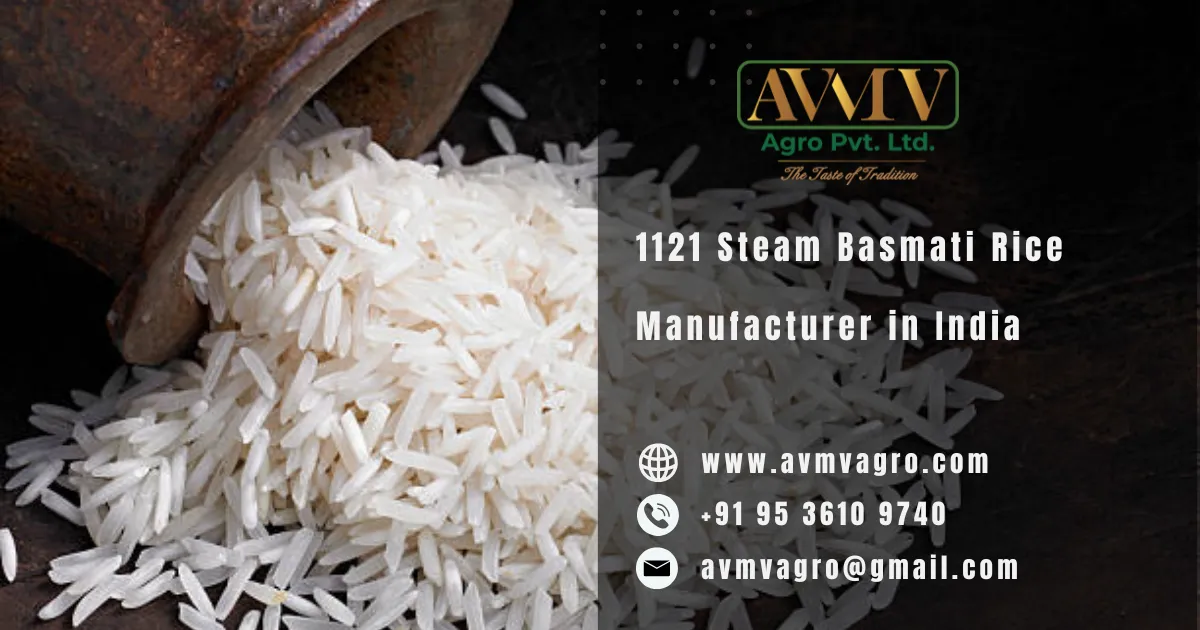
1121 Steam Basmati Rice Exporter in India
Steaming the paddy before milling firms up the grain, which reduces breakage and extends shelf life — useful for buyers who are shipping long distances or holding stock for months. A reliable 1121 Steam Basmati Rice Exporter in India will be able to tell you the exact steaming parameters used and back it up with lab reports on moisture content and broken percentage, not just a verbal assurance.
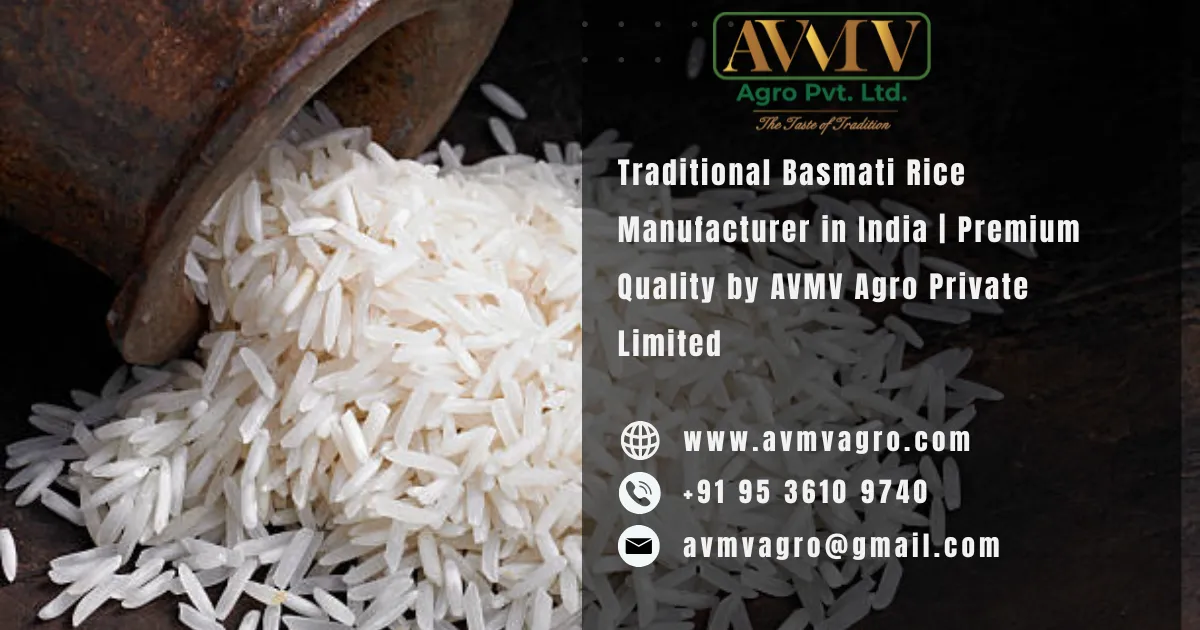
Traditional Basmati Rice Manufacturer in India
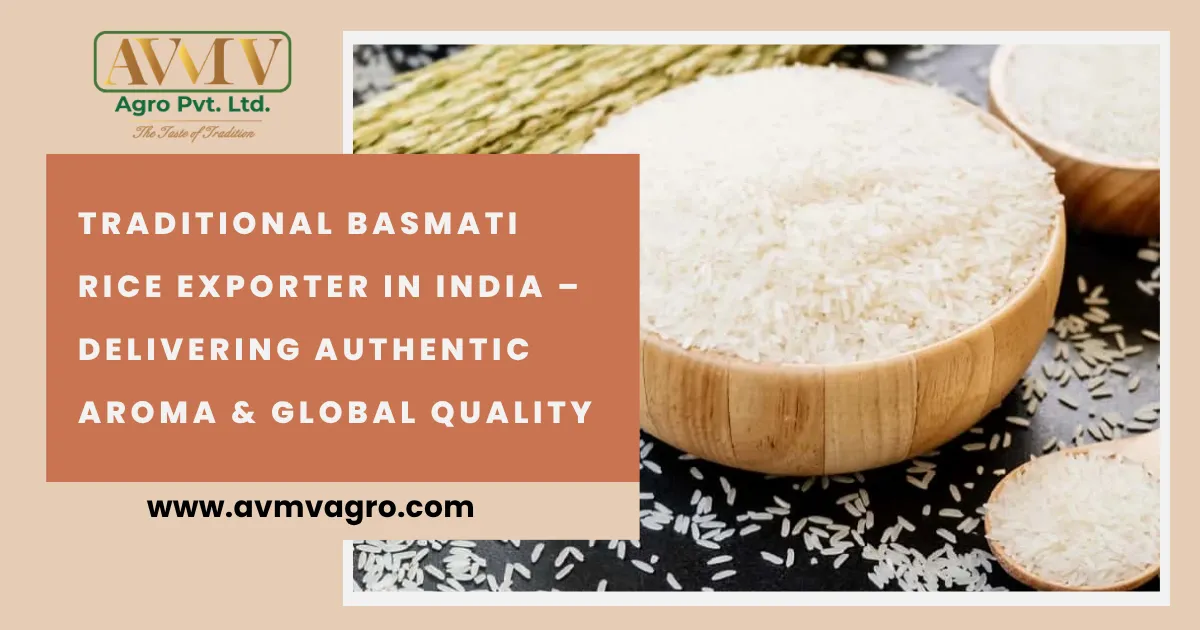
Older, traditional varieties — grown on smaller landholdings and often aged for a year or more before milling — carry a different flavour profile and a premium price to match. A Traditional Basmati Rice Manufacturer in India working with these varieties usually deals in smaller volumes, and traceability back to the growing region becomes a bigger part of the conversation, especially for buyers targeting specialty or gourmet retail.
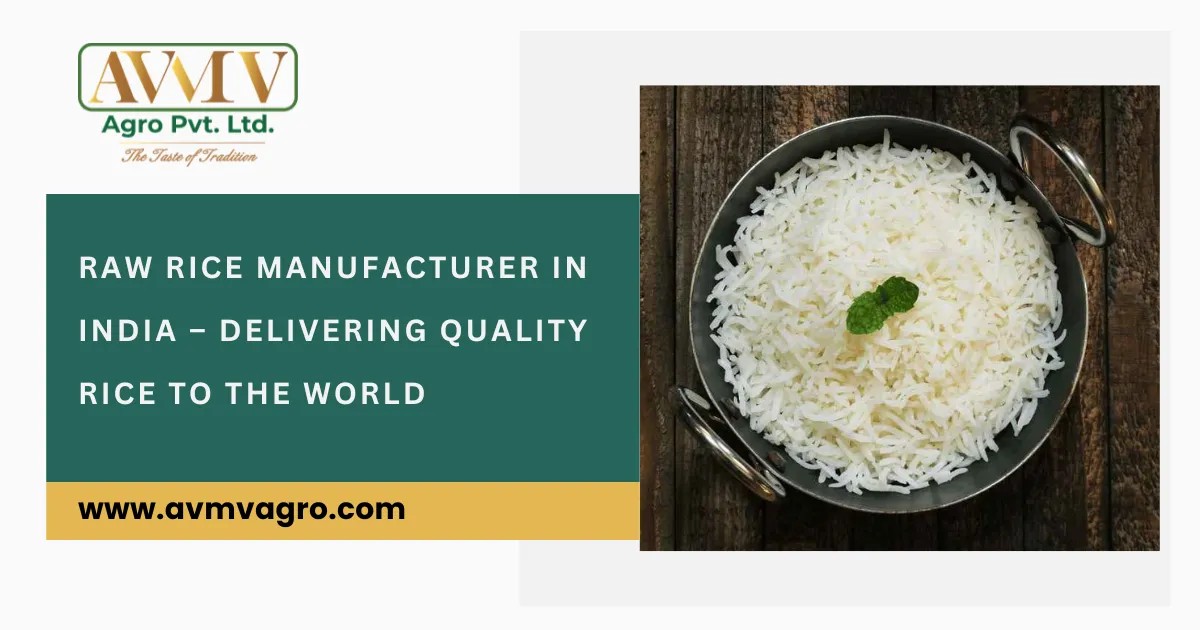
Raw Rice Manufacturer in India
Beyond Basmati specifically, many buyers also source non-aromatic raw rice for blending, staple retail lines, or markets where price sensitivity outweighs aroma. Working with the same Raw Rice Manufacturer in India for both Basmati and non-Basmati lines can simplify logistics, provided the two product streams are kept properly separated during milling and storage so there's no cross-contamination of grain types.
What to Check Before You Commit to an Exporter
A polished website and a price list don't tell you much on their own. Before signing anything, it's worth asking a supplier for:
- Traceability documentation — where the paddy was grown and which mill processed it.
- Lab test reports — moisture content, average grain length, and broken-grain percentage, ideally from a batch matching what you'd actually receive.
- Export compliance paperwork — the certifications relevant to your destination market, since requirements vary by country and change periodically.
- Sample consistency — request the same specification across two separate sample shipments, months apart, and compare them. A supplier's real quality control shows up in that gap, not in the first sample they send you.
- Packaging options — jute bags, PP bags, or vacuum-sealed retail packs, depending on whether you're buying bulk or shelf-ready product.
None of this is exotic. It's the same due diligence any importer would run on a new supplier in any commodity, but rice buyers sometimes skip it because the first sample tasted fine. One good bag doesn't guarantee the next twenty tonnes will match it.
Why Buyers Choose AVMV Agro
AVMV AGRO PRIVATE LIMITED positions itself around that consistency question — sourcing paddy through established supply chains, processing raw and steam Basmati varieties, and working with buyers who need shipment-to-shipment reliability rather than a one-off deal. For businesses evaluating Pusa Basmati Rice Exporters in India, that combination of variety knowledge and export handling is usually the deciding factor over price alone, since a cheaper quote that arrives inconsistent ends up costing more in returns and reputation.
If you're sourcing Basmati for retail, foodservice or private-label packaging, it's worth having a direct conversation about your specification sheet before the first order goes in, rather than after.
The Global Market for Indian Basmati
India remains the dominant global supplier of Basmati rice, and that scale is part of what makes the sourcing decision harder rather than easier — there are thousands of mills and traders competing for the same buyers, and quality varies wildly between them. Demand keeps climbing across the Middle East, where Basmati is a staple rather than a specialty item, alongside steady orders from the UK, the US and parts of continental Europe where South Asian cuisine has moved well into the mainstream grocery aisle.
That demand puts pressure on supply during certain months, particularly around harvest and ahead of major festive periods, when prices swing and some suppliers cut corners on sorting or blending to keep volumes up. Buyers who lock in a relationship with a Basmati Rice Exporter in India they trust, rather than shopping purely on spot price every quarter, tend to weather those swings with fewer surprises in the final shipment.
Export compliance is the other piece that catches new buyers off guard. Requirements differ by destination — pesticide residue limits, fumigation certificates, phytosanitary documentation — and they're revised periodically as importing countries update their food safety rules. A supplier who keeps this paperwork current as a matter of routine, rather than scrambling when an order comes in, is usually a sign of a business built for repeat trade rather than one-off sales.
Frequently Asked Questions
What is Pusa Basmati Rice, and how is it different from other Basmati varieties?
Pusa Basmati is a long-grain aromatic rice variety grown mainly in northern India. It's known for grain elongation on cooking and a fragrance that holds up well, which is why it's a common choice for biryani and pulao preparations both domestically and for export.
Is raw Basmati or steam Basmati better for export?
Neither is universally "better" — it depends on your market. Raw Basmati suits buyers who want a lighter grain and shorter cooking time; steam Basmati holds up better over long shipping and storage periods because the grains are less prone to breakage.
How can I verify the quality of Basmati rice before placing a bulk order?
Ask for a recent lab report covering moisture content, average grain length and broken-grain percentage, and request a sample from the actual lot you'd be buying rather than a generic showcase sample.
Does AVMV Agro export both raw and traditional Basmati varieties?
Yes — AVMV Agro works across raw, steam and traditional Basmati lines, alongside non-aromatic raw rice, so buyers with mixed product needs can usually consolidate their sourcing with a single supplier.
What packaging options are available for bulk Basmati rice exports?
Options typically include jute bags and PP bags for bulk shipment, and vacuum-sealed or retail-ready packaging for buyers who need shelf-ready product. The right choice depends on shipping distance, storage conditions and your destination market's packaging norms.
Which countries import the most Basmati rice from India?
Major destinations for Indian Basmati include the Middle East, the United States, the United Kingdom and parts of the European Union, alongside growing demand from Southeast Asia — though exact volumes shift year to year with trade policy and currency movements.
Conclusion
Sourcing Pusa Basmati rice isn't complicated once you know what questions to ask — but it does require asking them before the contract is signed, not after the container's already at sea. Variety matters, processing method matters, and the exporter's own quality checks matter just as much as either of those. AVMV AGRO PRIVATE LIMITED works with buyers on exactly that basis: matching the right Basmati type to the right use case, and backing it up with the documentation and consistency that keep a business relationship going past the first shipment. If you're comparing Pusa Basmati Rice Exporters in India for an upcoming order, start the conversation with your specification sheet in hand — it tends to save everyone time.