

18
Sep 26
1121 Steam Basmati Rice Exporter in India — What Buyers Should Actually Check First
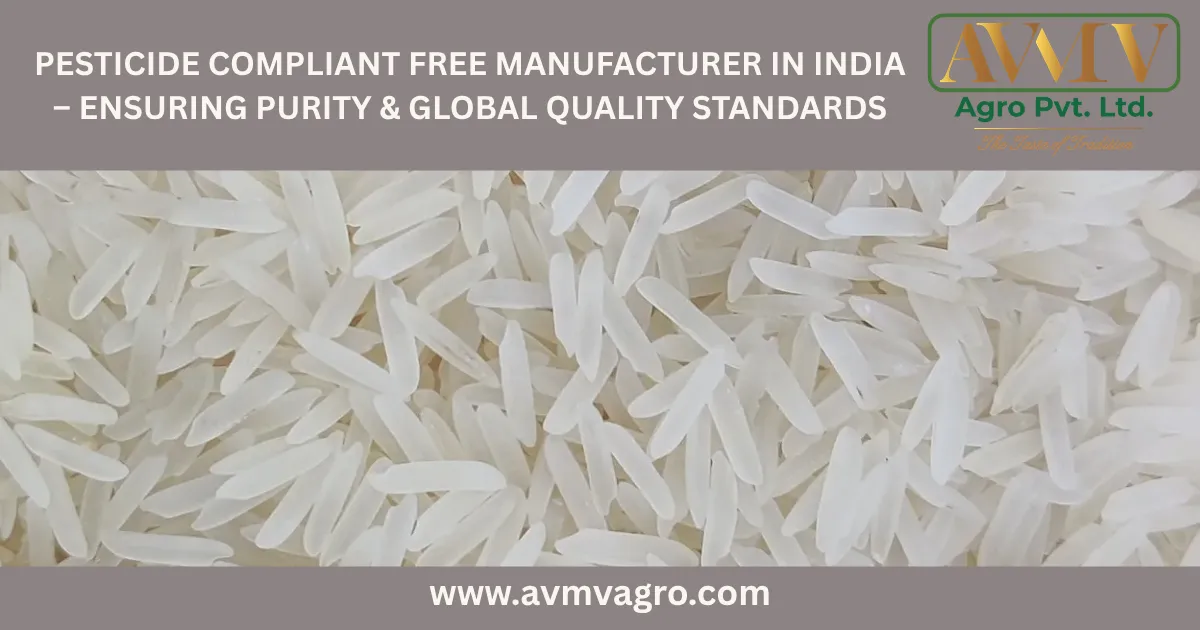
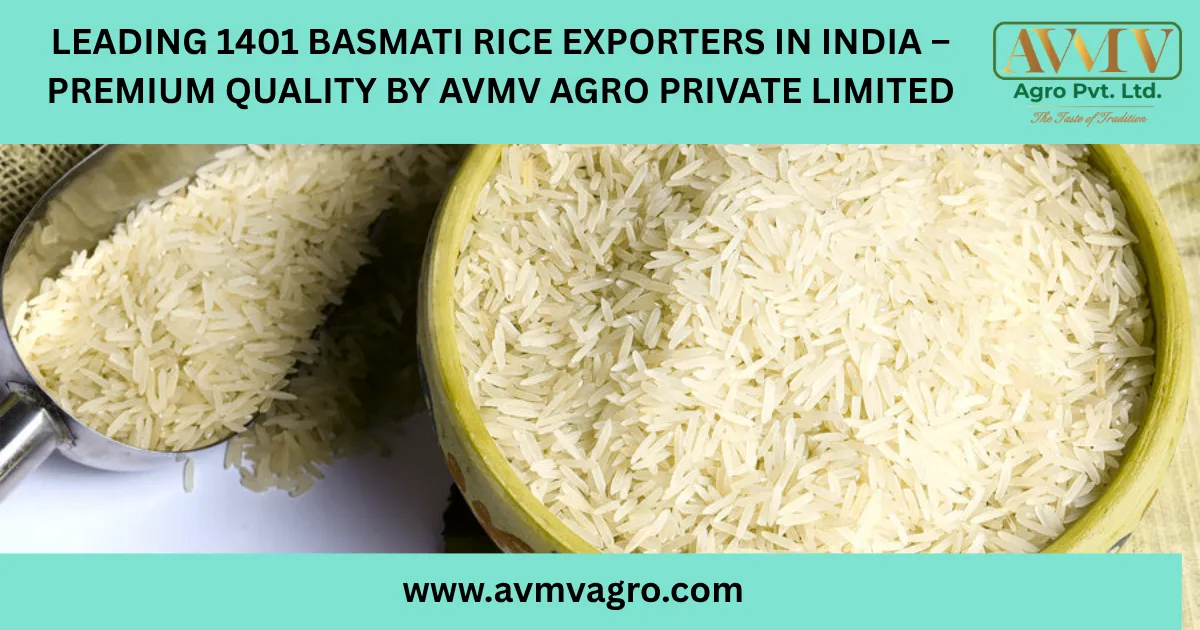
1121 Steam Basmati Rice Exporter in India into Google and you'll get pages of near-identical listings. That's part of the problem for buyers — everyone claims the same quality, and it's genuinely hard to tell who's actually milling rice versus who's just re-selling someone else's stock under their own letterhead. AVMV Agro Private Limited works on the milling and export side of that equation, handling 1121 steam basmati for buyers who care less about a nice sample and more about whether the next ten containers match the first one.
This article covers what separates a real 1121 Steam Basmati Rice Exporter in India from a middleman, and where AVMV Agro fits in as a working Basmati Rice Exporter in India.
What Actually Makes 1121 Steam Basmati Different
Grain length and why it matters
1121 basmati is known for its long grain, typically extending close to 8mm once cooked, combined with the aroma that develops as basmati ages after harvest. None of that survives poor milling, though — grain length on paper means nothing if a third of the batch snaps during processing.
Steam versus raw
Steaming the paddy before milling hardens the starch structure, so the cooked rice separates cleanly and doesn't turn gluey. That's the reason kitchens and catering suppliers lean towards steam basmati for bulk cooking, while raw and sella grades still have their place in retail and regional trade.
Why AVMV Agro Works as a Basmati Rice Exporter in India
Most buyers can't fly out to inspect a mill before signing a contract, so they end up judging suppliers on a handful of things: does the moisture content stay consistent, is fumigation actually done properly, and does the exporter answer awkward questions before shipment rather than after a container turns up short.
AVMV Agro keeps its sourcing chain fairly direct — working with growers and millers rather than several layers of traders — so what gets sampled is closer to what actually ships. As a Basmati Rice Exporter in India, that's really the whole job: keep grain size, moisture and paperwork consistent enough that a buyer in Jeddah or Rotterdam doesn't have to think twice about the next order.
Traditional Basmati Rice Manufacturer in India: Still in Demand
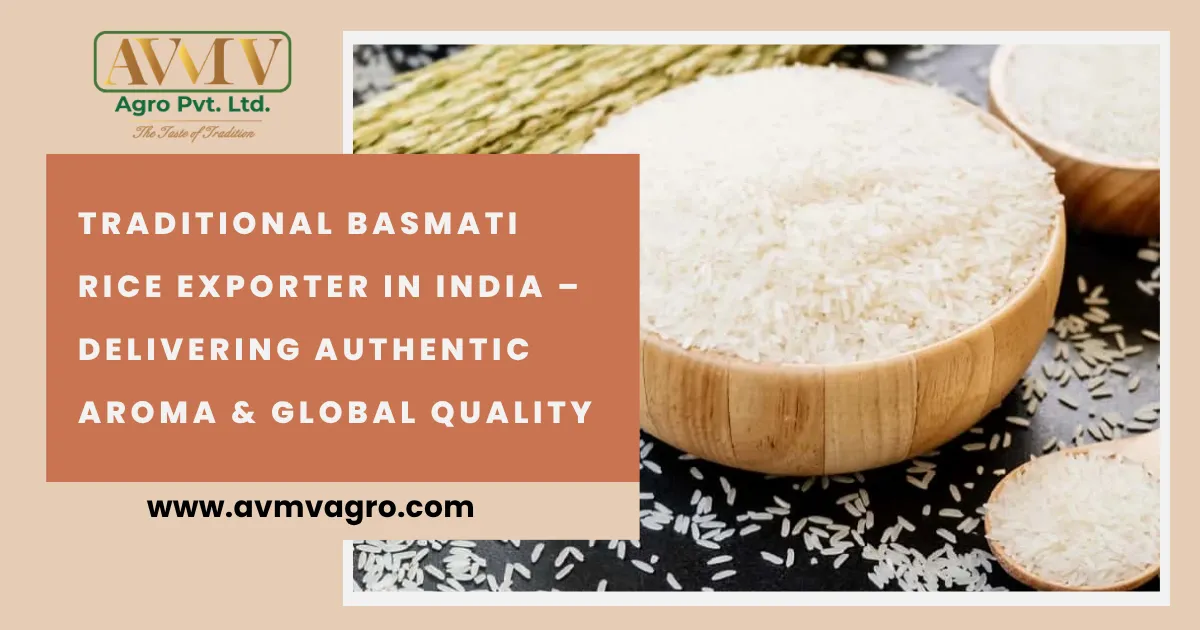
1121 isn't the only thing buyers ask for. Some markets — parts of the Gulf and Europe especially — still want a Traditional Basmati Rice Manufacturer in India to source the older varieties, which run shorter in the grain but carry a heavier, more distinctive aroma that 1121 doesn't really match.
Running both product lines properly means separate storage, separate milling schedules, and staff who can tell the two apart before a lab report confirms it. It's more work, but it's also why some exporters keep the same buyers for years instead of losing them to the next cheaper quote.
Raw Rice Manufacturer in India: The Overlooked Segment
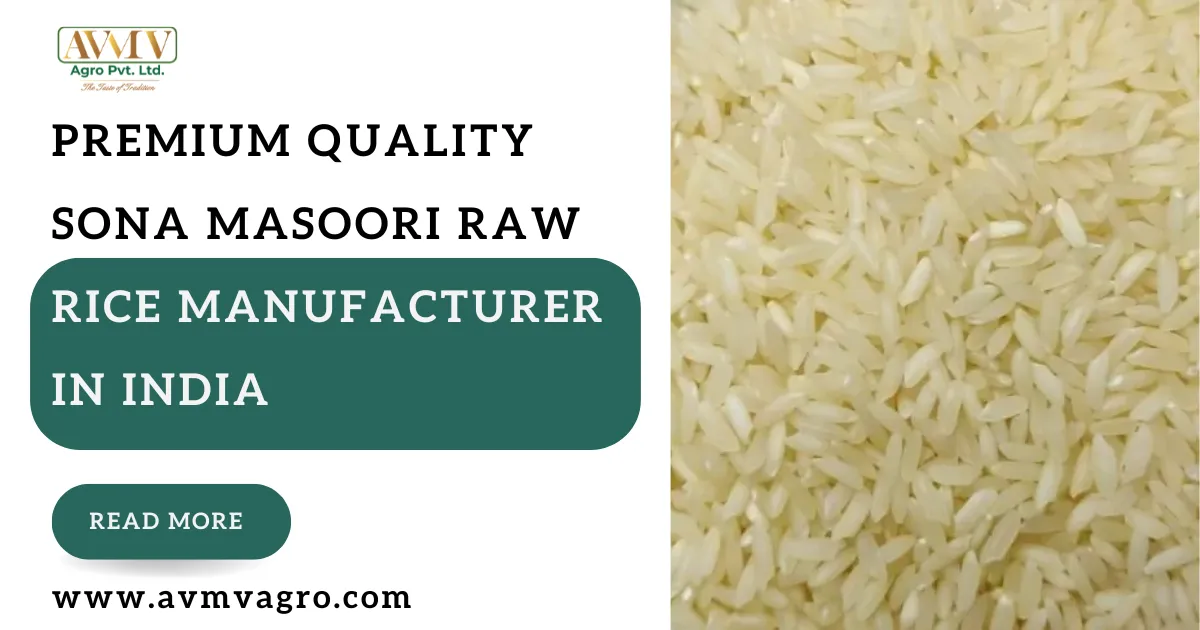
Not every order wants finished, processed grain. Wholesalers and buyers building their own private-label brands sometimes want raw basmati they can process or blend themselves. Being able to supply as a Raw Rice Manufacturer in India as well as a steam basmati exporter means one buyer's private-label raw order and another's export-grade steam order can both be handled without turning either one away.
For a buyer, that flexibility is genuinely useful — one supplier, one inspection, one relationship to manage, rather than juggling two.
Quality Control and Export Compliance
Export rice has a longer list of things that can go wrong than domestic rice does. Moisture has to sit within a narrow range to survive weeks at sea. Fumigation records, phytosanitary certificates and packaging that can take rough handling at port all matter just as much as the grain quality itself. Before signing with any 1121 Steam Basmati Rice Exporter in India, it's worth asking directly about testing frequency, broken-grain percentage, and whether they've actually shipped into your destination country before — the paperwork rules for Saudi Arabia and the EU aren't the same, and that experience isn't optional.
Conclusion
Basmati sourcing is built on repeat shipments, not one good sample. AVMV Agro Private Limited covers 1121 steam, traditional basmati and raw rice, which gives buyers somewhere to go for more than one grade without switching suppliers halfway through a relationship. Before placing an order with any 1121 exporter, ask for recent shipment references, request a pre-shipment sample, and get the documentation confirmed before the container is booked — that's usually where problems either show up or don't.
FAQs
Is 1121 basmati rice suitable for long-term storage?
Generally yes, as long as moisture stays under roughly 13% and it's stored somewhere cool and dry, away from direct sunlight. Steam-processed grain tends to hold up better over long shipping routes than raw rice does.
What's the difference between steam basmati and sella basmati?
Steam basmati goes through lighter, lower-pressure steaming, while sella (parboiled) rice goes through a longer soak-and-steam process that gives it a faint golden colour. Both hold together well during cooking, though sella tends to have a firmer bite.
Does AVMV Agro export both 1121 and traditional basmati varieties?
Yes — AVMV Agro Private Limited supplies 1121 steam basmati as well as traditional basmati and raw rice, so buyers aren't limited to a single grade.
What documents should I ask for before importing basmati rice from India?
At the very least: a phytosanitary certificate, fumigation certificate, certificate of origin, and a recent lab report covering moisture and broken-grain percentage.